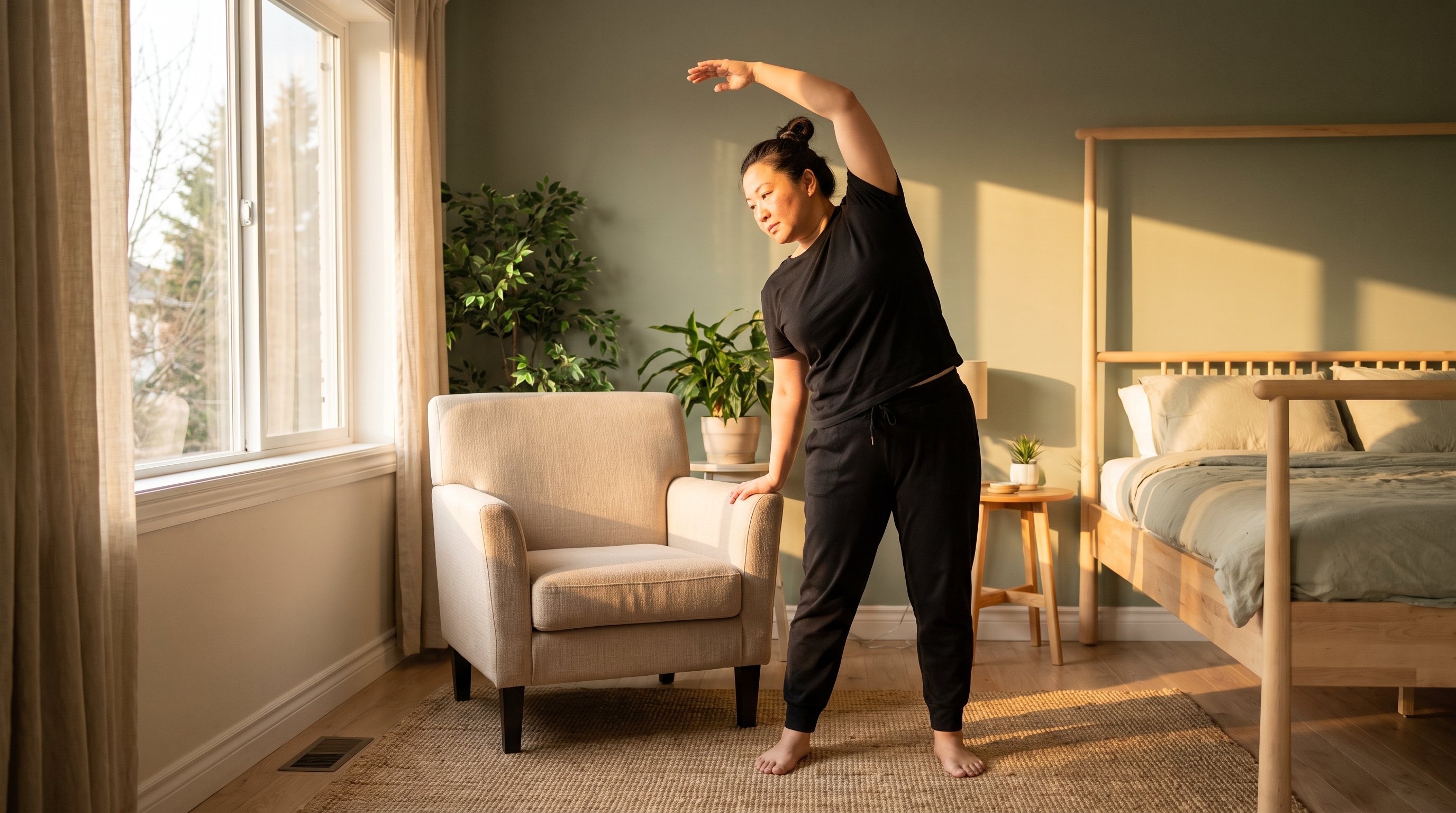
Stretching Exercises for Seniors With Arthritis: Where to Start
By:Author:Flexi Yoga Editorial
Updated on:October 28, 2026
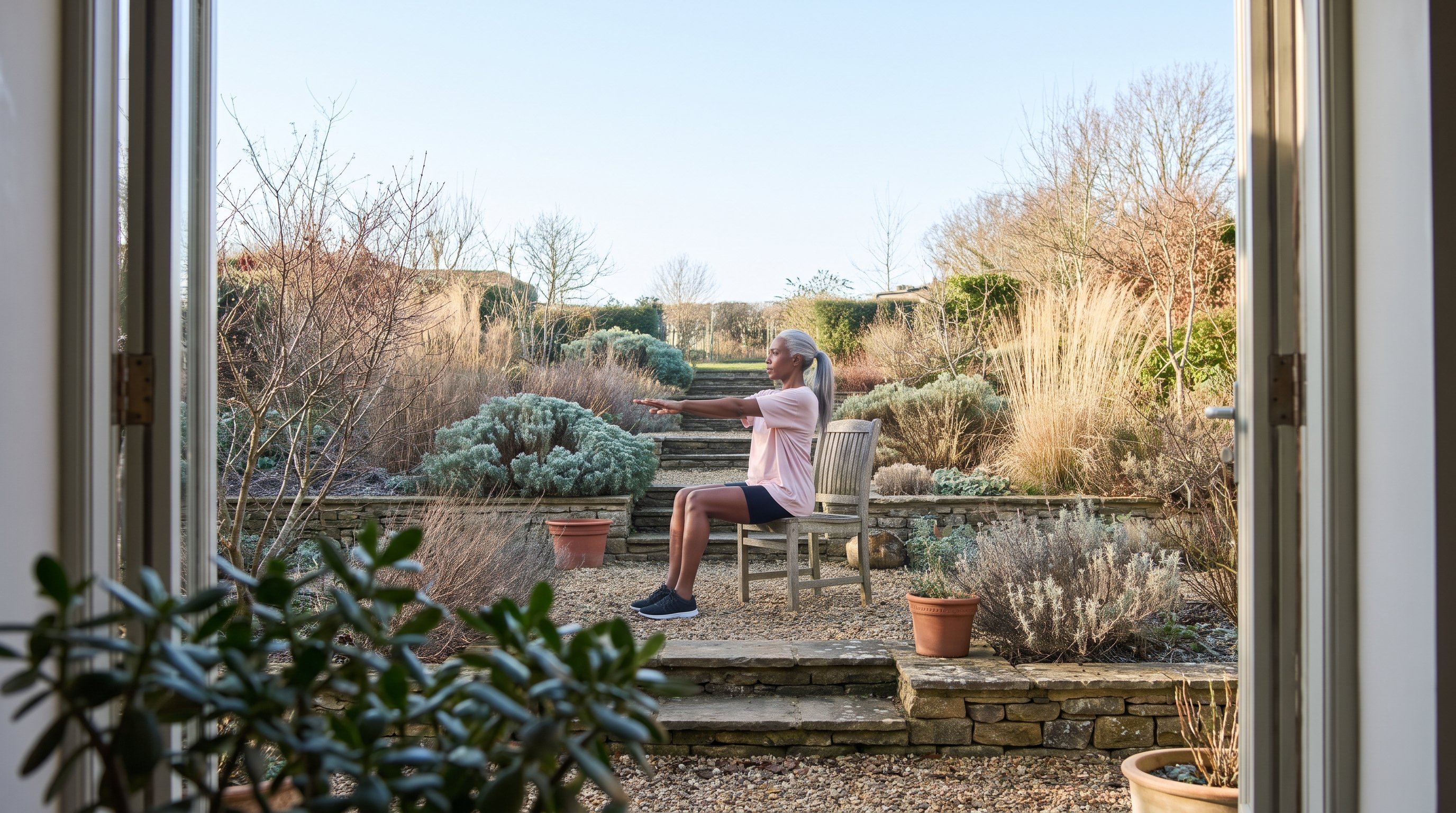
- A Safer Way to Begin Stretching With Arthritis
- How Often Seniors With Arthritis Should Stretch
- Working Stretching Into a Day Already Full of Routines
- A Four-Week Starting Plan for Joint-Friendly Stretching
- What Changes to Expect and When Motivation Dips
- Mistakes That Make Arthritic Stretching Harder
- Building Arthritis-Friendly Stretches Into Flexi Yoga
- Keeping Joint-Friendly Stretching Part of Everyday Life
Gentle, regular stretching can help arthritic joints move more comfortably through their available range - the key word being gentle, because forcing a stiff joint rarely helps and can sometimes set you back.
Joints affected by arthritis tend to stiffen when they sit still, so slow, controlled movement through a comfortable range keeps the surrounding muscles active without straining the joint itself.
This article covers how to start, how often to stretch, a simple week-by-week plan, the mistakes that stall progress, and what to expect as a routine beds in.
A Safer Way to Begin Stretching With Arthritis
Starting slow matters more than starting hard. Here's a sequence that keeps joints moving without pushing past what feels comfortable.
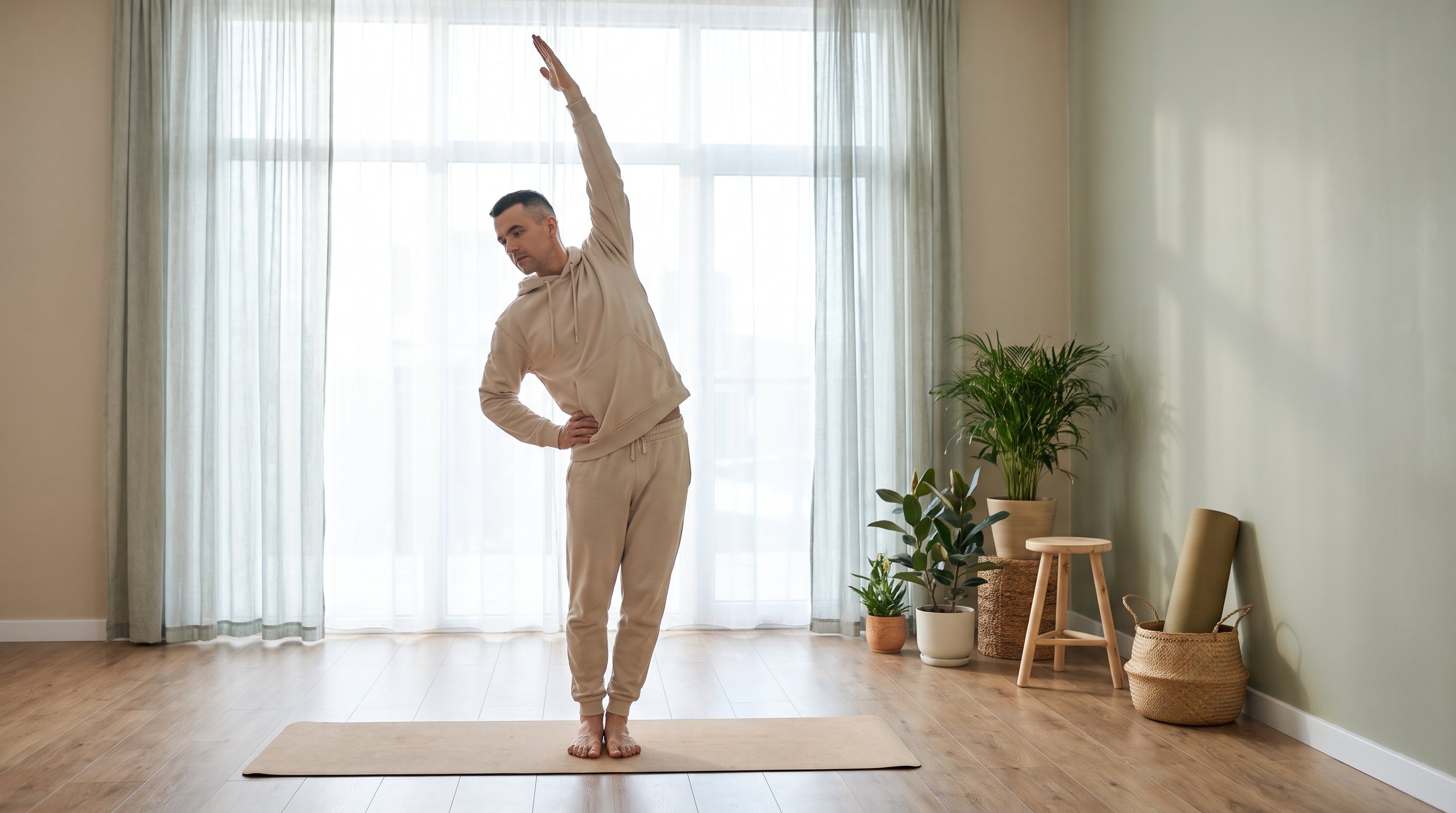
Getting Started Safely
- Warm up first - a few minutes of easy walking or arm circles gets blood moving before any stretch.
- Pick one joint area at a time - working through hands, shoulders, hips or knees separately keeps the session manageable.
- Move into the stretch slowly - ease in over several seconds rather than dropping straight into the end position.
- Hold without bouncing - a steady, still hold is gentler on the joint than a bouncing motion.
- Breathe through it - slow breathing helps the muscles around the joint stay relaxed rather than tensing up.
- Stop short of pain - mild tension is the target; sharp or sudden pain means backing off.
- Finish with easy movement - a short walk or gentle shoulder rolls helps the body settle after stretching.
None of these steps need special equipment or a lot of space, which is part of why they're easy to repeat daily.
How Often Seniors With Arthritis Should Stretch
Short, frequent sessions tend to work better for arthritic joints than one long stretch once a week, because stiffness builds up again quickly after periods of rest.
A Simple Frequency Guide
The table below gives a rough starting point for how long and how often to stretch different joint areas.
| Joint Area | How Often | Typical Duration |
|---|---|---|
| Hands and wrists | Daily | 2-3 minutes |
| Shoulders | Daily | 3-5 minutes |
| Hips | 4-5 times a week | 5 minutes |
| Knees | 4-5 times a week | 3-5 minutes |
| Ankles and feet | Daily | 2-3 minutes |
These numbers are a starting point, not a target to hit on day one - shorter sessions are fine while a joint is adjusting to regular movement.
Working Stretching Into a Day Already Full of Routines
Mornings often bring the most stiffness, which makes them a natural time for a short stretching session, but any consistent slot in the day works just as well.

Pairing stretches with something already on the calendar - after breakfast, during a favourite show, before bed - removes the need to remember a separate habit.
Flexi Yoga offers guided sessions built around short, easy movements, so a stretching routine can sit inside a daily plan rather than becoming one more thing to plan from scratch.
A Four-Week Starting Plan for Joint-Friendly Stretching
This plan is about building the habit first and increasing range second - the order matters more than hitting a particular number of minutes.
| Stage | Focus |
|---|---|
| Week 1 | Short daily sessions, one joint area at a time |
| Week 2 | Add a second joint area, keep holds gentle |
| Week 3 | Extend hold times slightly, add shoulders and hips |
| Week 4 | Full routine covering hands, shoulders, hips and knees |
By the end of week four, the goal is a routine that feels familiar rather than effortful, not a dramatic change in flexibility.
What Changes to Expect and When Motivation Dips
Early sessions often feel awkward simply because the movements are unfamiliar, not because anything is wrong.
Many people notice stiffness easing a little over the following weeks as the routine becomes part of the day, though the pace varies a lot from one person to the next.
The drop-off point usually comes once the first sense of novelty fades - around the point where the routine stops feeling new and starts feeling ordinary.
Keeping sessions short enough to repeat without dread is what carries most people past that point.
Mistakes That Make Arthritic Stretching Harder
Stretching Too Far, Too Soon
Pushing a stiff joint toward its full range on day one often backfires; easing in gradually over several weeks gets better results.
Skipping the Warm-Up
Stretching cold muscles around a stiff joint is harder work than it needs to be; a few minutes of easy movement first makes the stretch itself gentler.
Only Stretching on Bad Days
Waiting for stiffness to show up before stretching misses the point; regular movement on ordinary days is what keeps stiffness from building in the first place.
Doing One Long Session Instead of Several Short Ones
A single weekly stretch doesn't carry over well to the days between; shorter, more frequent sessions suit arthritic joints better.
Ignoring How a Joint Responds
Sharp pain or swelling after stretching is worth paying attention to; backing off and adjusting the movement matters more than pushing through.
Building Arthritis-Friendly Stretches Into Flexi Yoga
A routine is easier to keep up when the sessions are already laid out and matched to what feels manageable that day.
Flexi Yoga builds a tailored plan around short, guided sessions aimed at easing stiffness and supporting joint comfort, without demanding long workouts or any equipment.
Daily trackers for steps, hydration and wellness routines sit alongside the stretching plan, so progress is visible rather than guessed at, and the article library offers extra content for days when motivation needs a nudge.
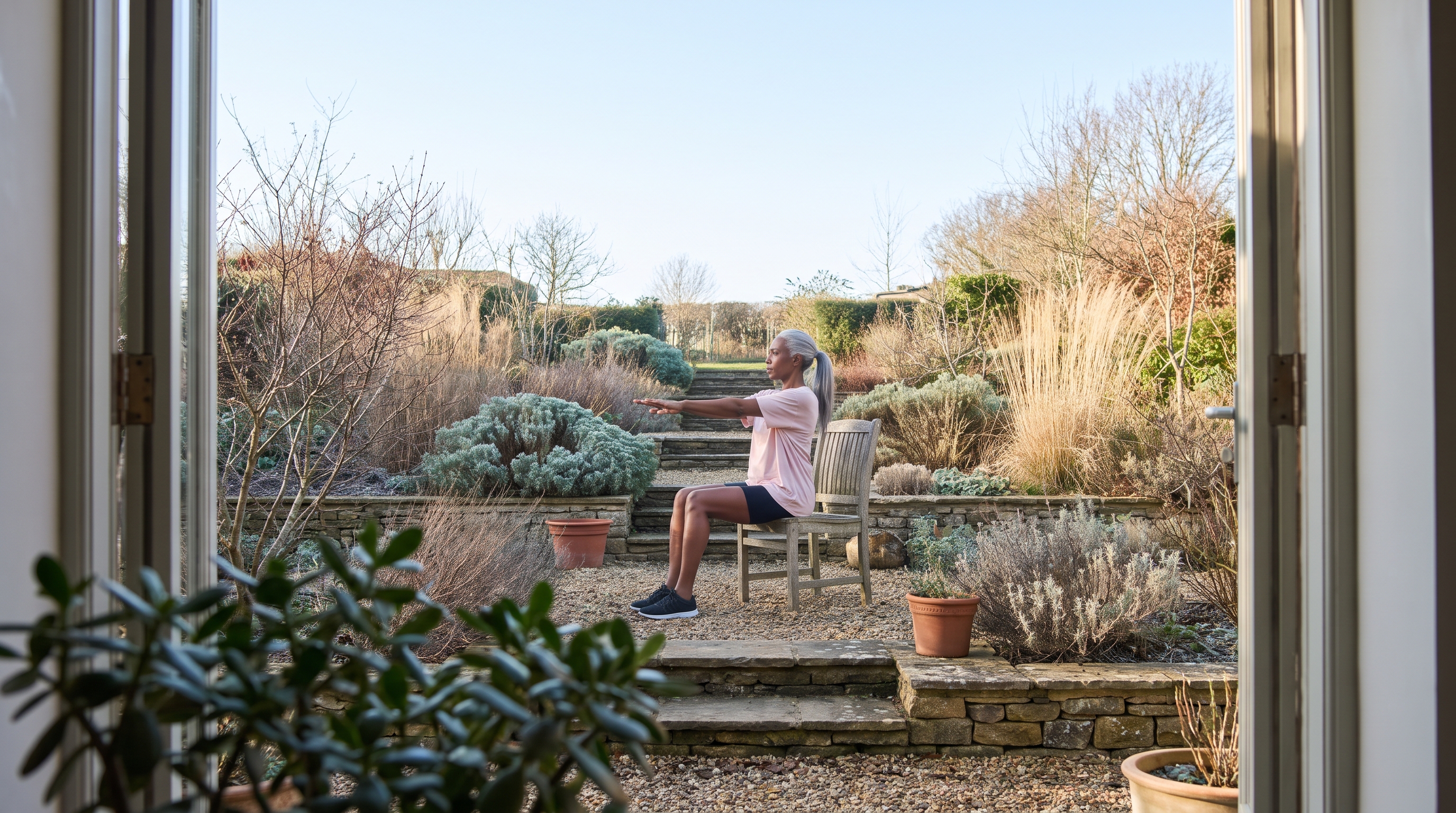
Move Freely Again
Loosen Up Every Day
Keeping Joint-Friendly Stretching Part of Everyday Life
The most useful stretching routine for arthritis is the one that still happens on a tired, busy or achy day - not the most ambitious one on paper.
Starting with a few minutes a day, building up slowly, and leaning on a guided plan like Flexi Yoga when motivation runs low gives a joint-friendly habit the best chance of lasting.
FAQ
Gentle stretching within a comfortable range is generally fine, but pushing hard into a painful position can aggravate a joint. Easing in slowly and stopping short of sharp pain keeps the movement on the safer side.
Stretching supports comfortable movement but it isn't a treatment on its own and doesn't replace guidance from a GP or specialist. It works best as one part of an overall approach to staying active.
Most joint-friendly stretches can be done seated in a chair or standing with support, so a floor routine isn't required. Adjusting the position rather than skipping the stretch keeps the habit going.
Pairing stretches with an existing daily habit and keeping sessions short makes them easier to repeat long after the initial motivation fades. Flexi Yoga's guided sessions and progress tracking give the routine some structure to lean on when things get busy.
Share this post