Stretching Exercises for Seniors: A Gentle Path to Easier Movement
By:Author:Flexi Yoga Editorial
Updated on:October 28, 2026
- The Myth That One Stretch Undoes Years of Stiffness
- How Gentle Stretching Actually Loosens Stiff Joints
- Three Factors That Decide How Far Flexibility Improves
- A Simple Weekly Stretching Routine Worth Copying
- Making Stretching Work Around Daily Routines
- What to Expect Week by Week and Where People Stop
- Mistakes That Make Stretching Harder Than It Needs to Be
- Using Flexi Yoga for Stretching Exercises Designed for Seniors
- Starting a Stretching Habit That Actually Lasts
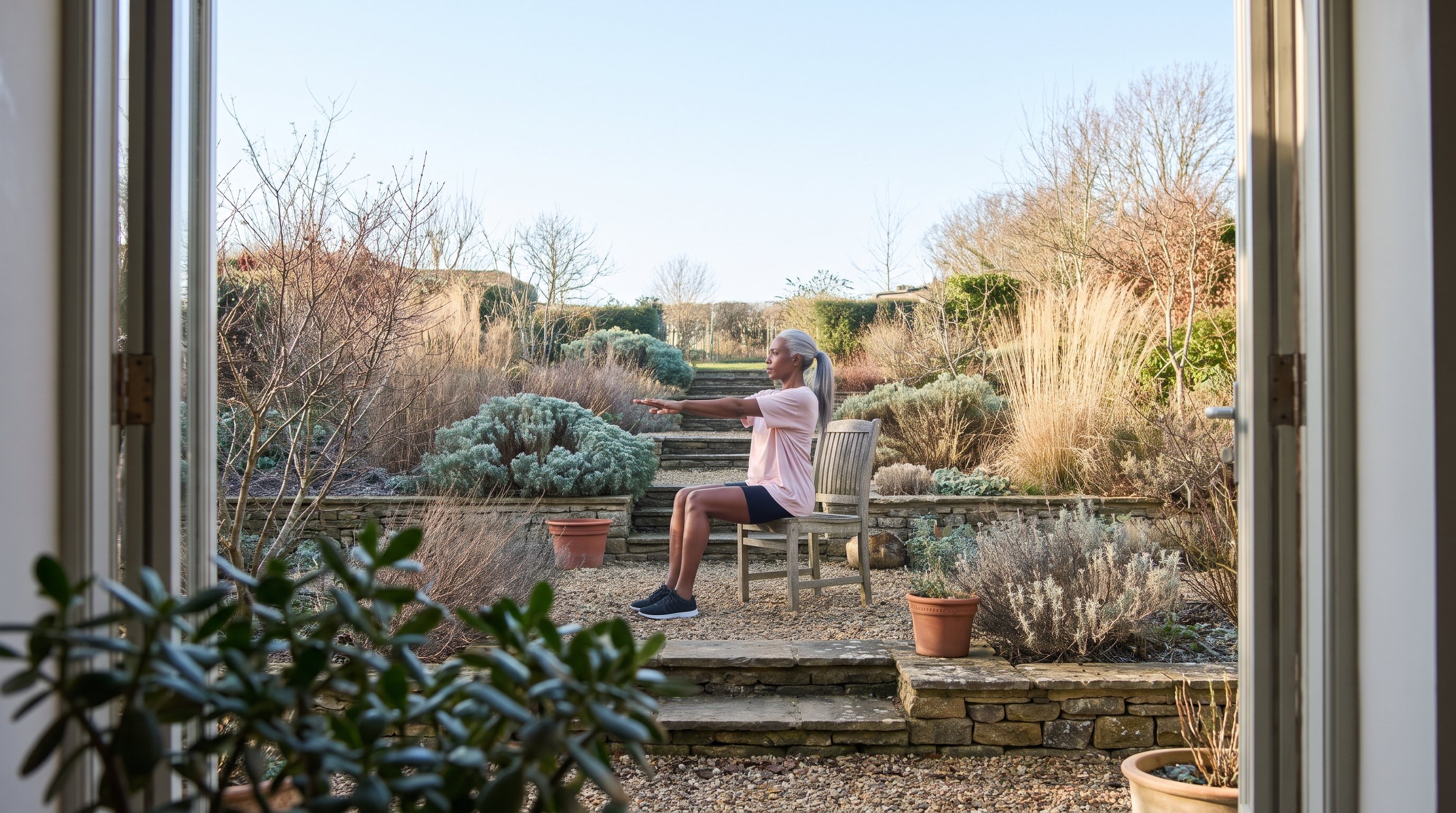
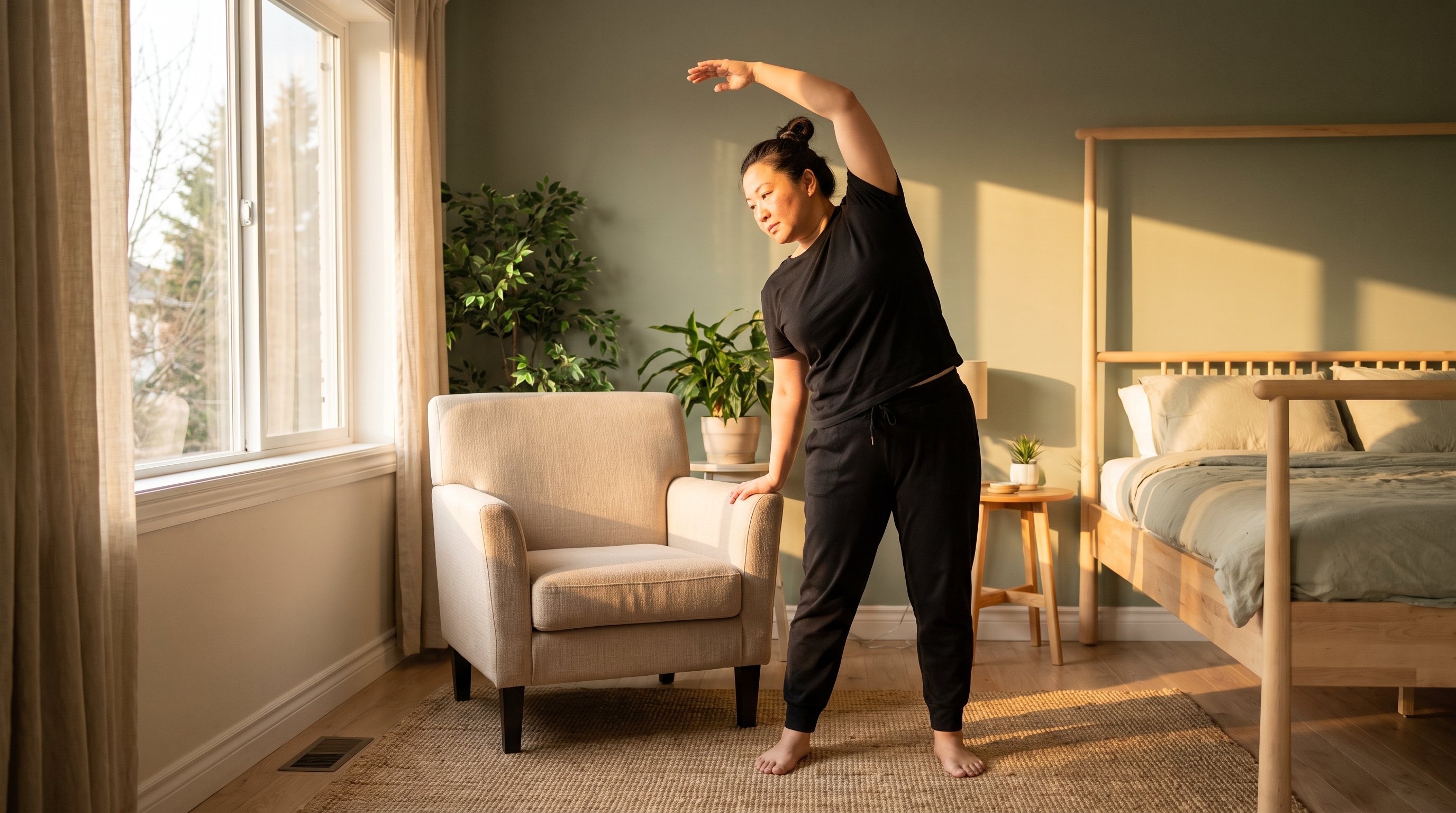
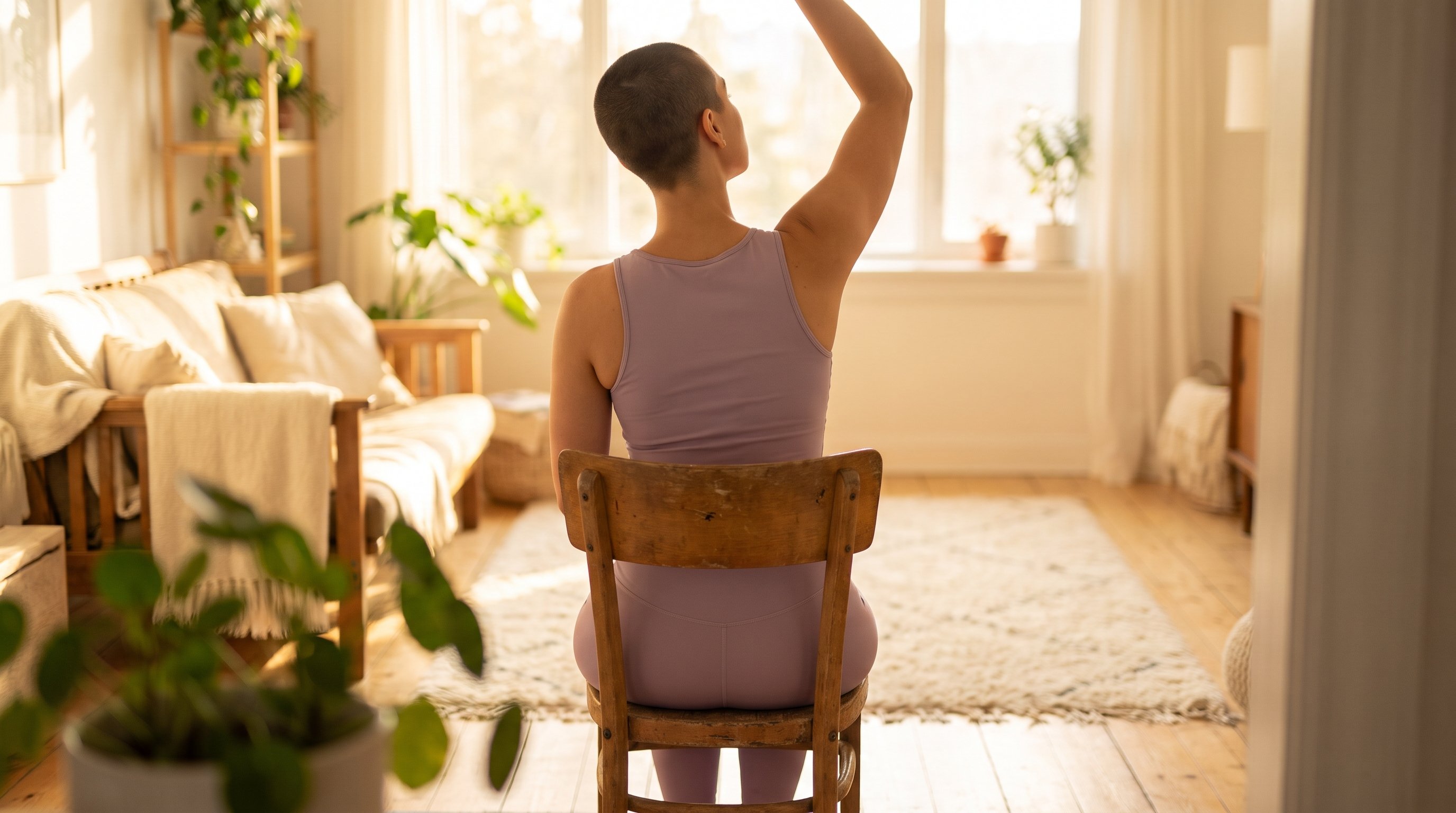
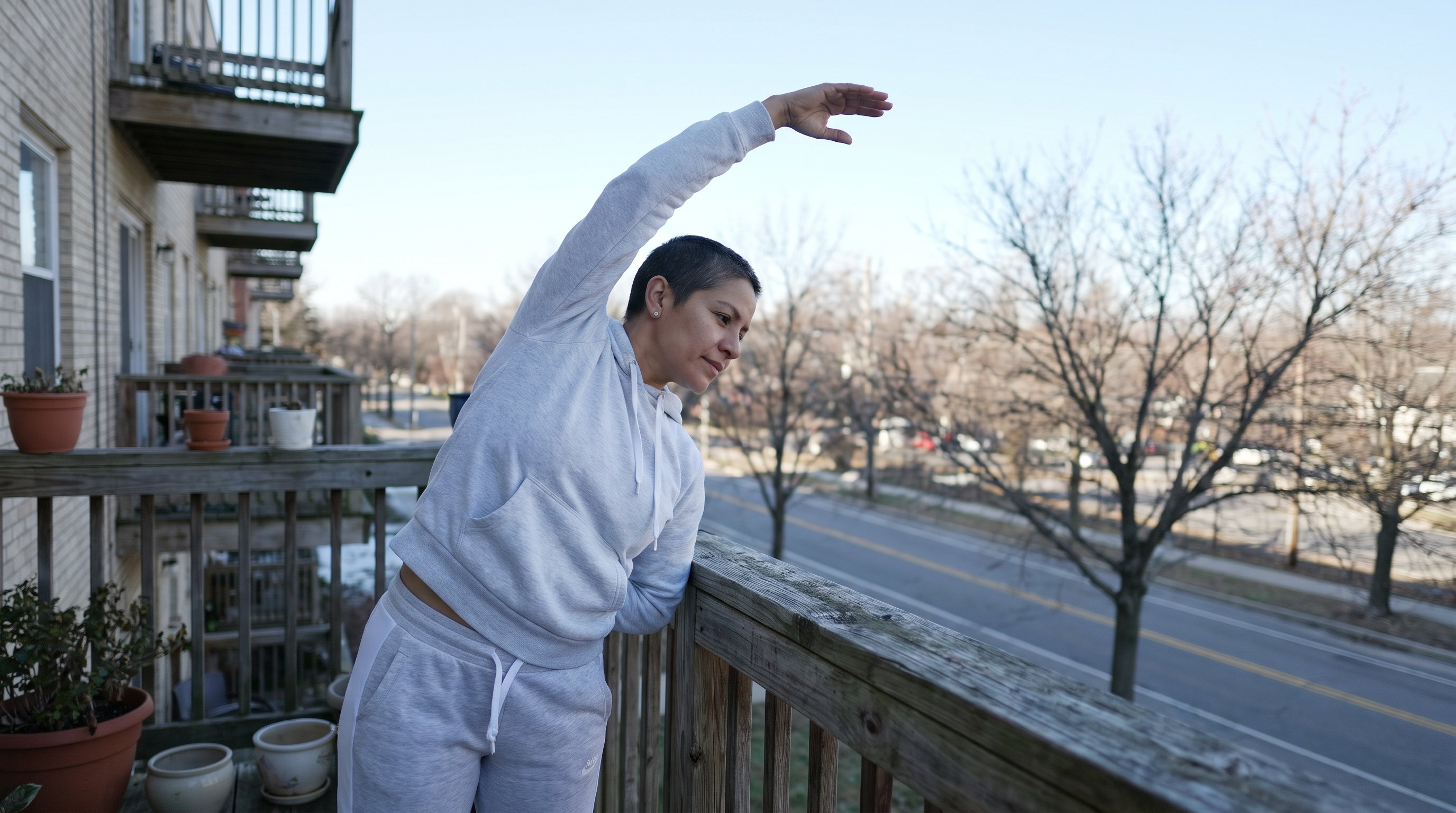
Stretching exercises for seniors work best when they are short, gentle and done often rather than long and done rarely. A few minutes of daily movement keeps joints lubricated and muscles pliable, which is what actually eases stiffness over time.
The mechanism is simple. Muscles and connective tissue shorten and stiffen with inactivity, and regular, gentle stretching gives them a reason not to.
This article covers the myths around stretching for older adults, how the process actually works, a sample weekly layout, common mistakes, and where a structured plan can help keep things consistent.
The Myth That One Stretch Undoes Years of Stiffness
There's a hope that one good stretch, or one intense session, will loosen a stiff hip or shoulder for good. That isn't how the body works, and it isn't how stiffness built up in the first place.
Stiffness accumulates gradually from years of sitting, reduced activity and simple ageing of tissue, so it tends to ease gradually too, not in one dramatic session.
The real answer is unglamorous but reliable: short, regular stretching sessions spread across the week do more than one long, occasional push. Little and often beats rare and intense.
How Gentle Stretching Actually Loosens Stiff Joints
Two things happen when stretching becomes a regular habit rather than a one-off event.
Muscles Adapt to Repeated Gentle Load
When a muscle is stretched gently and often, it gradually tolerates a greater range before feeling tight. This is why someone who stretches daily can usually reach further after a few weeks than someone who stretches once a month.
Joints Move More Freely With Consistent Use
Joints rely on movement to keep the surrounding tissue supple, and gentle, repeated motion through a comfortable range helps maintain that. Skipping movement for long stretches of the day tends to make joints feel tighter, not safer.
Neither of these changes happens overnight, which is exactly why consistency matters more than any single session.
Three Factors That Decide How Far Flexibility Improves
Not every stretching routine delivers the same result. These three factors tend to matter most, strongest first.
What Changes the Outcome
- Frequency over intensity - stretching for a few minutes most days beats one long session a week, because tissue responds to repeated, gentle signals.
- Comfortable range, not maximum range - pushing into pain tends to cause muscles to tighten defensively, while a gentle, held position lets them ease open.
- Covering the whole body, not one spot - hips, shoulders, ankles and the spine all stiffen with inactivity, so a routine that only targets one area leaves the rest unchanged.
A Simple Weekly Stretching Routine Worth Copying
This is a plain layout anyone can adapt, spreading gentle movement across the week instead of saving it all for one day.
| Day | Focus |
|---|---|
| Monday | Neck and shoulders |
| Tuesday | Hips and lower back |
| Wednesday | Gentle rest or walking |
| Thursday | Ankles and legs |
| Friday | Full body, short session |
| Weekend | Whatever feels easiest |
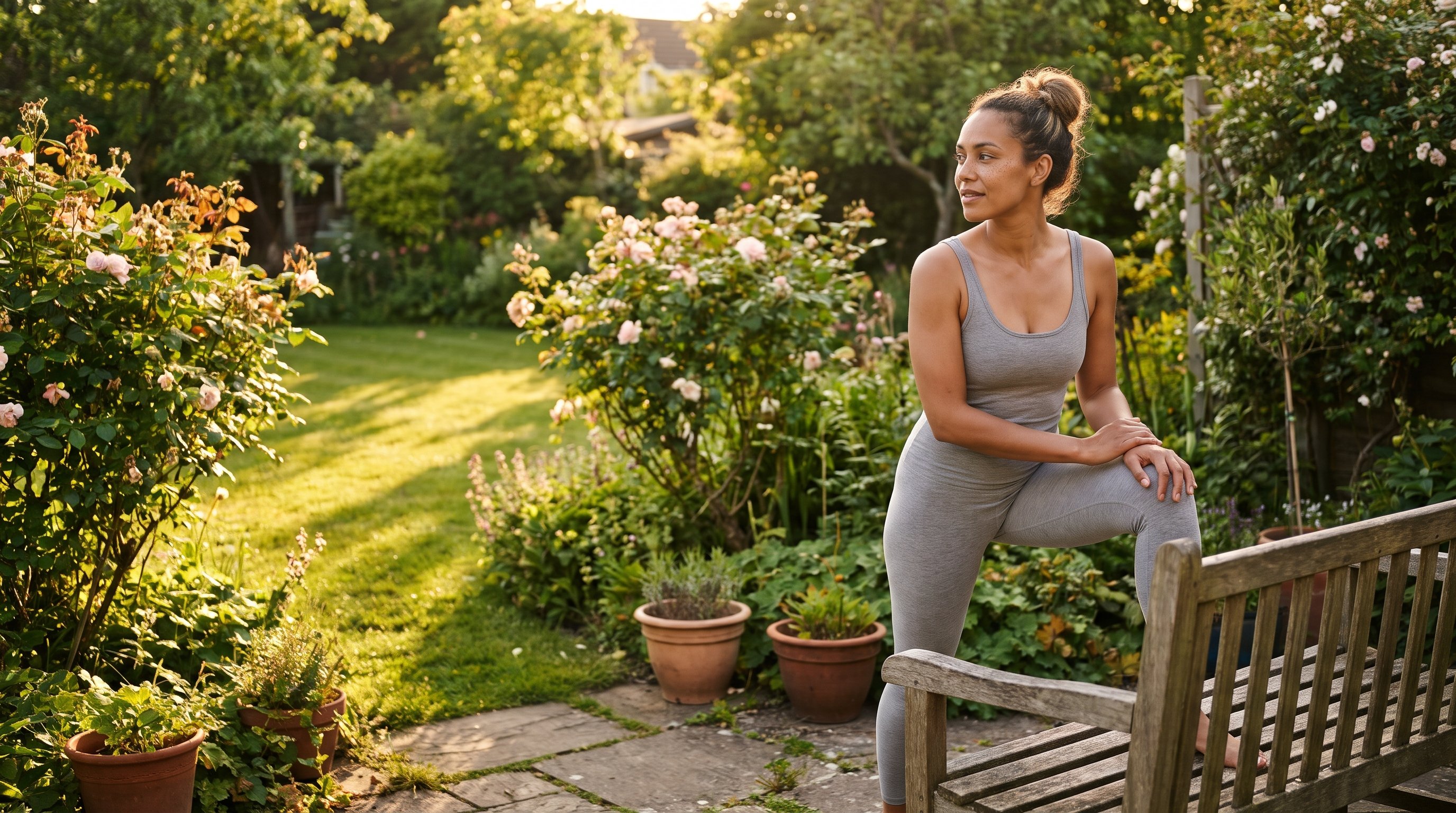
Each session can run just a few minutes. The point isn't to exhaust anyone, it's to show up often enough that the body starts to expect it.
Making Stretching Work Around Daily Routines
Real life doesn't pause for a stretching routine, so it helps to attach it to something already happening. Stretching while the kettle boils, during a TV advert break, or right after getting out of bed removes the need to find extra time.
This is where a guided plan can take the guesswork out of what to do and when. Flexi Yoga offers short, guided sessions built around flexibility and joint comfort, so there's no need to plan a routine from scratch each day.
Fitting stretching into existing habits, rather than creating a brand new block of time, is usually what makes it stick.
What to Expect Week by Week and Where People Stop
Early on, stretching might just feel like another task on the list, and that's normal. The sense of ease tends to build gradually rather than arrive on a fixed date, so it's worth being patient rather than watching for a specific milestone.
Most people who stop do so in the first few weeks, usually because they don't notice an immediate difference and assume it isn't working.
Staying with it past that early stretch, even with short sessions, is usually what separates people who keep the habit from those who quietly drop it.
Mistakes That Make Stretching Harder Than It Needs to Be
Stretching Cold, Straight From Sitting Still
Jumping into a deep stretch without any gentle movement first can feel uncomfortable and discouraging. A minute or two of easy movement, like marching on the spot, warms things up before stretching begins.
Holding a Stretch Too Briefly to Matter
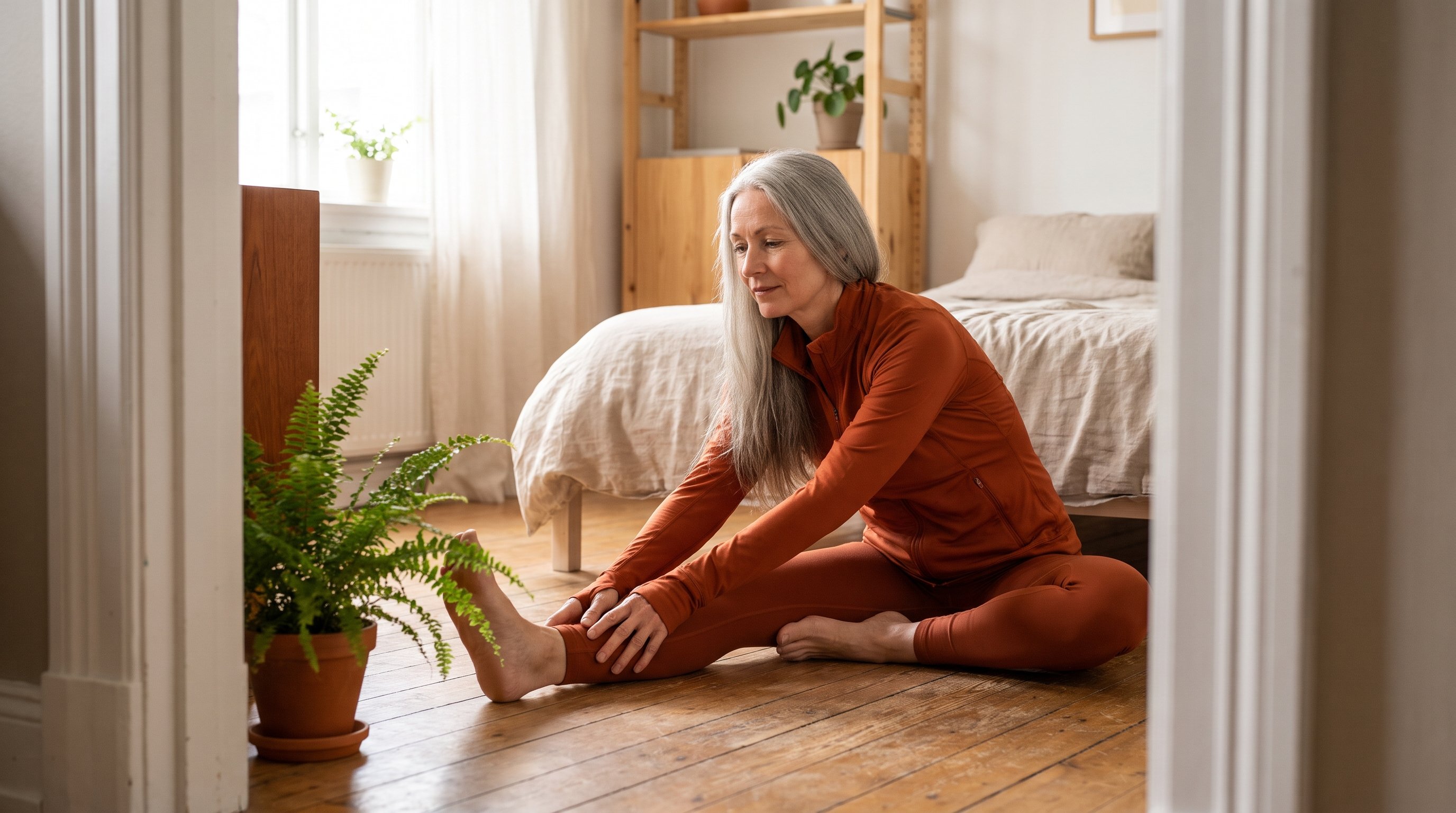
A stretch held for just a second or two doesn't give tissue much chance to respond. Holding gently for around twenty to thirty seconds tends to feel more worthwhile without becoming uncomfortable.
Only Stretching the Areas That Already Feel Fine
It's tempting to repeat the stretches that feel easy and skip the ones that feel stiff. The stiffer areas are usually the ones that benefit most from gentle, regular attention.
Treating One Tough Session As Enough for the Week
A single long session on a Sunday doesn't give the same result as a few short sessions spread out. Spacing stretching across the week keeps the signal to the body more consistent.
Expecting a Straight Line of Progress
Some days will feel looser than others, and that's normal rather than a sign of failure. Progress in flexibility tends to wobble a bit before it settles into a steadier trend.
Using Flexi Yoga for Stretching Exercises Designed for Seniors
Knowing which stretches to do, and in what order, can be the hardest part of starting out. Flexi Yoga removes that decision by offering a tailored plan built around flexibility, mobility and joint comfort, with guided audio and video sessions designed to fit into an ordinary day.
The app also includes daily habit trackers, lifestyle challenges and a library of wellness content, so building a consistent routine doesn't rely on memory or motivation alone.
Move Freely Again
Loosen Up Every Day
Starting a Stretching Habit That Actually Lasts
The simplest way to begin is small: pick two or three areas that feel stiffest and give them a couple of minutes a day, most days of the week.
Flexi Yoga can take over the planning side of that habit, offering guided sessions so the only decision left is showing up.
FAQ
Most people do better with short sessions most days of the week rather than one long session occasionally. Consistency across the week tends to matter more than how long any single session lasts.
No, gentle stretching can be started at any age and adjusted to whatever range feels comfortable on a given day. The key is starting gently and building up gradually rather than pushing hard right away.
Stretching only needs to go as far as feels comfortable, not to a full range straight away. Gentle, repeated movement within a comfortable range is still worthwhile, even if that range is small at first.
It's common for routines to lapse, and picking it back up gently is far more useful than giving up on it entirely. Flexi Yoga's guided sessions and trackers can make it easier to restart without having to rebuild a routine from memory.
Share this post