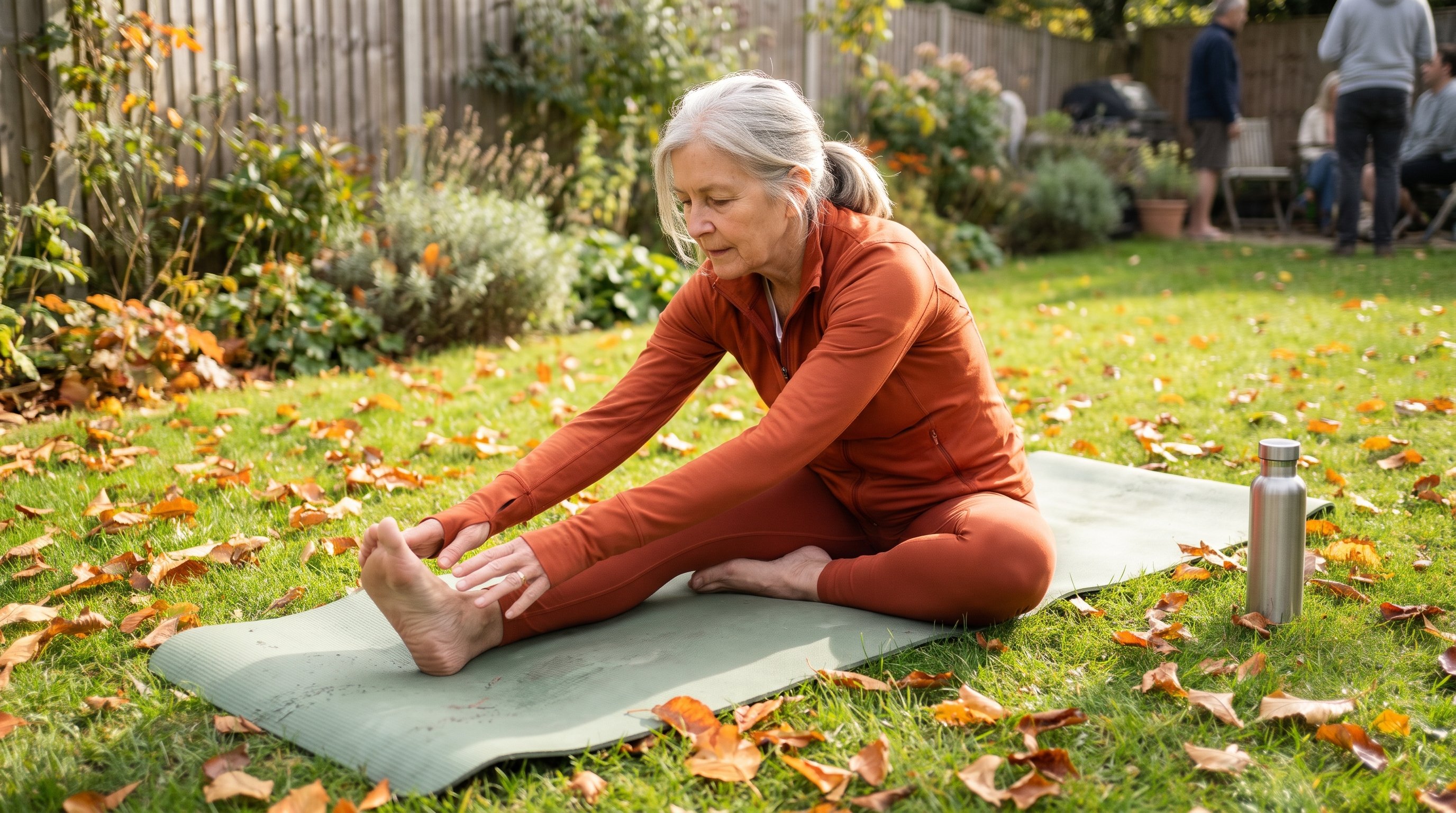
How To Improve Joint Health: A Simple Movement-Led Plan
By:Author:Flexi Yoga Editorial
Updated on:October 28, 2026
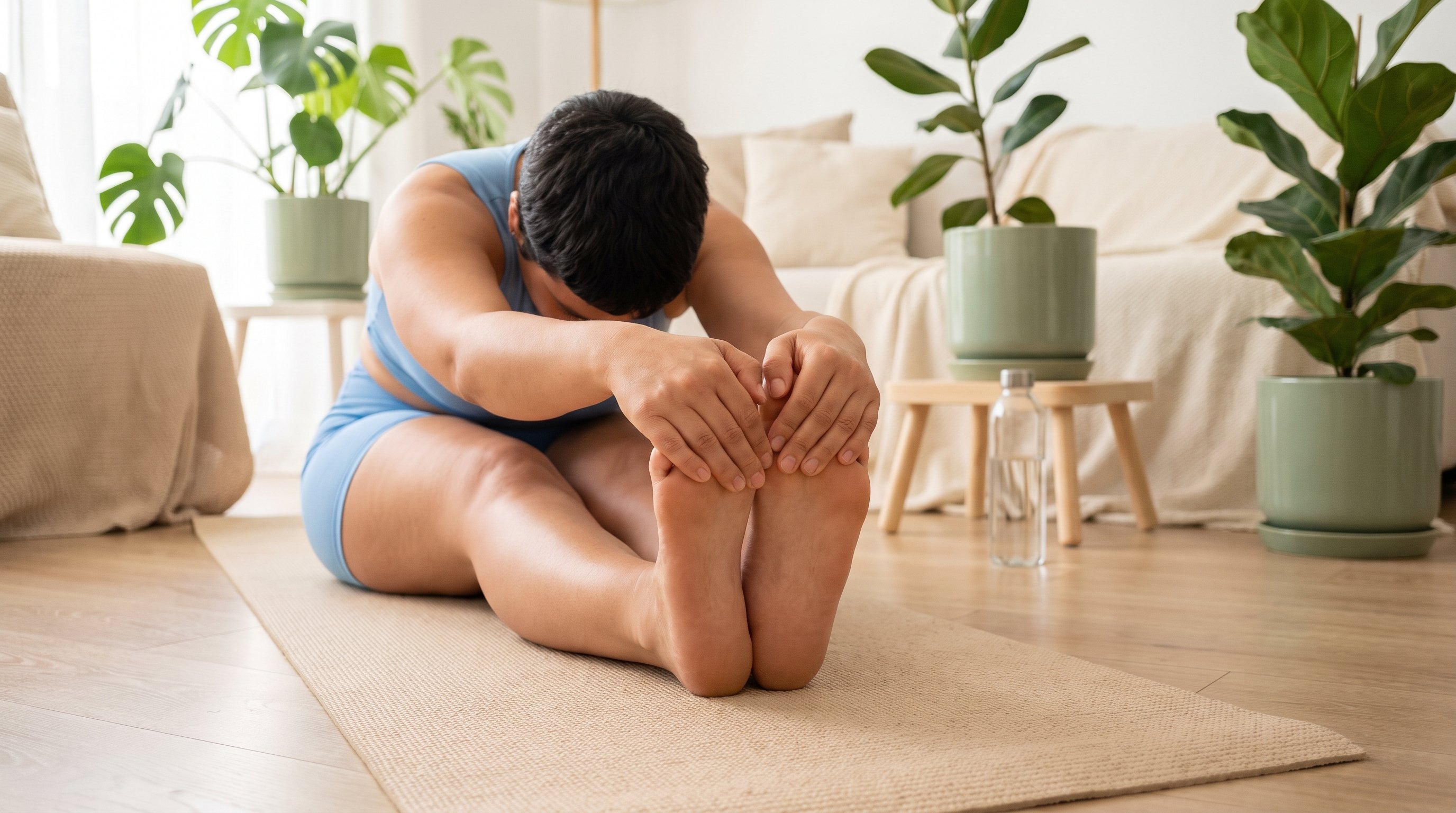
- A Step-By-Step Way to Start Moving Stiff Joints
- How Often Joint Health Work Needs to Happen
- Working Joint Care Into a Day That's Already Full
- A Four-Week Plan for Building Joint Health Habits
- What Tends to Shift and When Motivation Dips
- Mistakes That Quietly Undermine Joint Health Efforts
- Supporting Joint Health With Guided Routines
- Making Joint-Friendly Movement a Permanent Habit
The most useful answer is also the simplest one: joint health improves through regular, gentle movement that takes each joint through its full range, not through any single fix or supplement.
Joints rely on movement itself to stay supple - cartilage and the fluid around a joint respond to motion, and muscles around a joint need regular use to keep supporting it properly. Sit still for long stretches and joints feel stiffer; move them through their range often and that stiffness tends to ease.
This article covers a step-by-step way to start, how often joint work actually needs to happen, a simple four-week plan, the mistakes that slow progress down, and where most people quit before things improve.
A Step-By-Step Way to Start Moving Stiff Joints
Joint health doesn't need a complicated system. It needs a routine simple enough to repeat on a bad day as well as a good one.
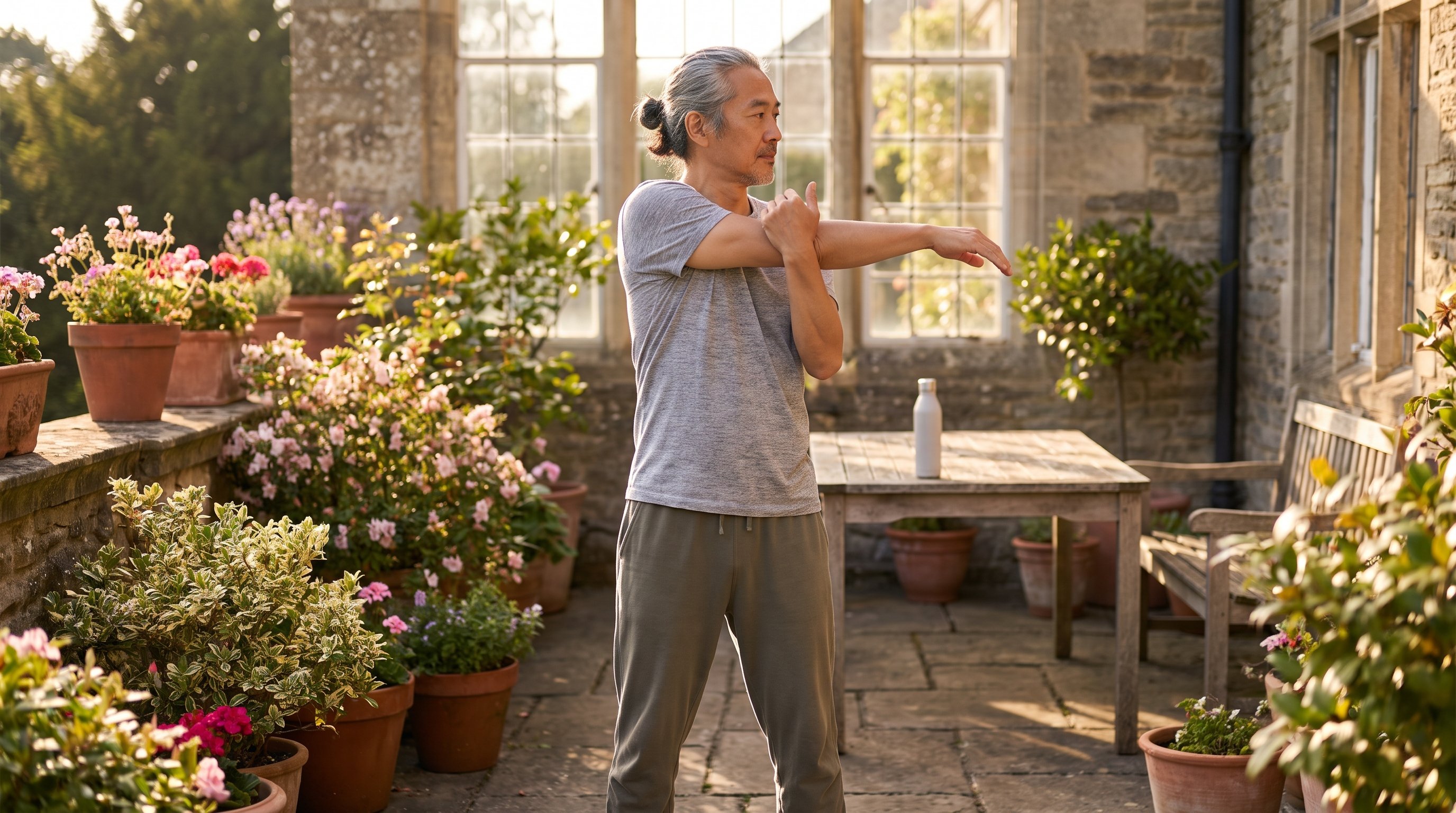
A Simple Starting Sequence
- Pick three joints to start with - ankles, knees and shoulders are a sensible starting trio for most people.
- Move each joint through its full range slowly - circles, bends and gentle extensions, without forcing the end of the movement.
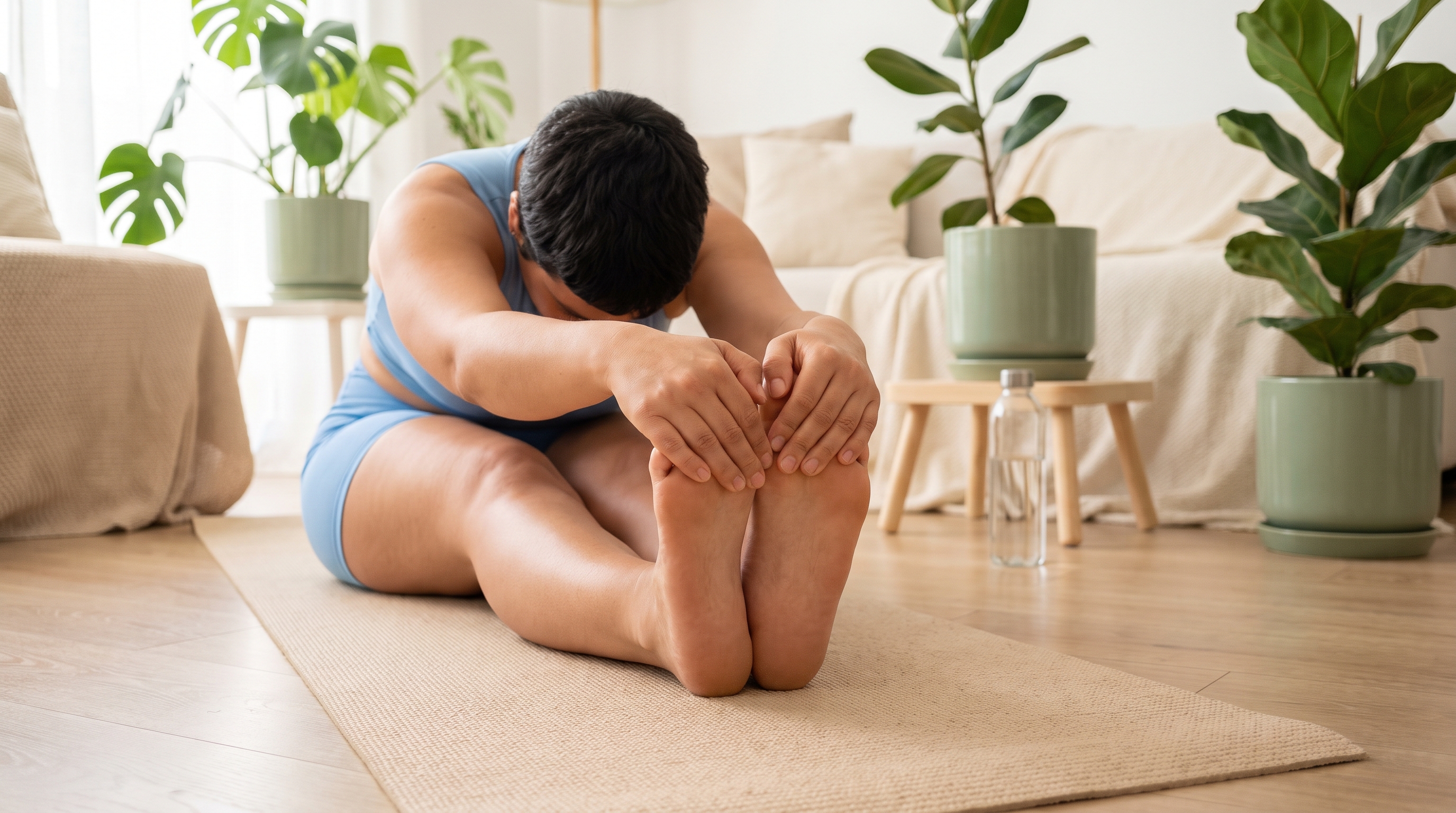
- Hold gentle end-range positions for a few breaths - this is where tight tissue around a joint gets a chance to lengthen.
- Add light resistance once movement feels easier - bodyweight holds or resistance bands help the muscles around a joint stay strong.
- Finish with a few minutes of easy walking - this keeps blood moving through the joints that were just worked.
- Note how each joint feels afterwards - a quick mental check helps spot which areas need more frequent attention.
- Repeat the sequence most days of the week - short and frequent beats long and occasional for joint work.
None of these steps need equipment or much space. A few minutes on a bedroom floor or a kitchen corner is enough to work through the whole sequence.
How Often Joint Health Work Needs to Happen
Frequency matters more than duration when the goal is joint health. Short sessions done most days beat one long session saved for the weekend.
What a Workable Weekly Split Looks Like
Spreading joint-friendly movement across the week gives each joint repeated, gentle exposure instead of one hard push followed by days of nothing.
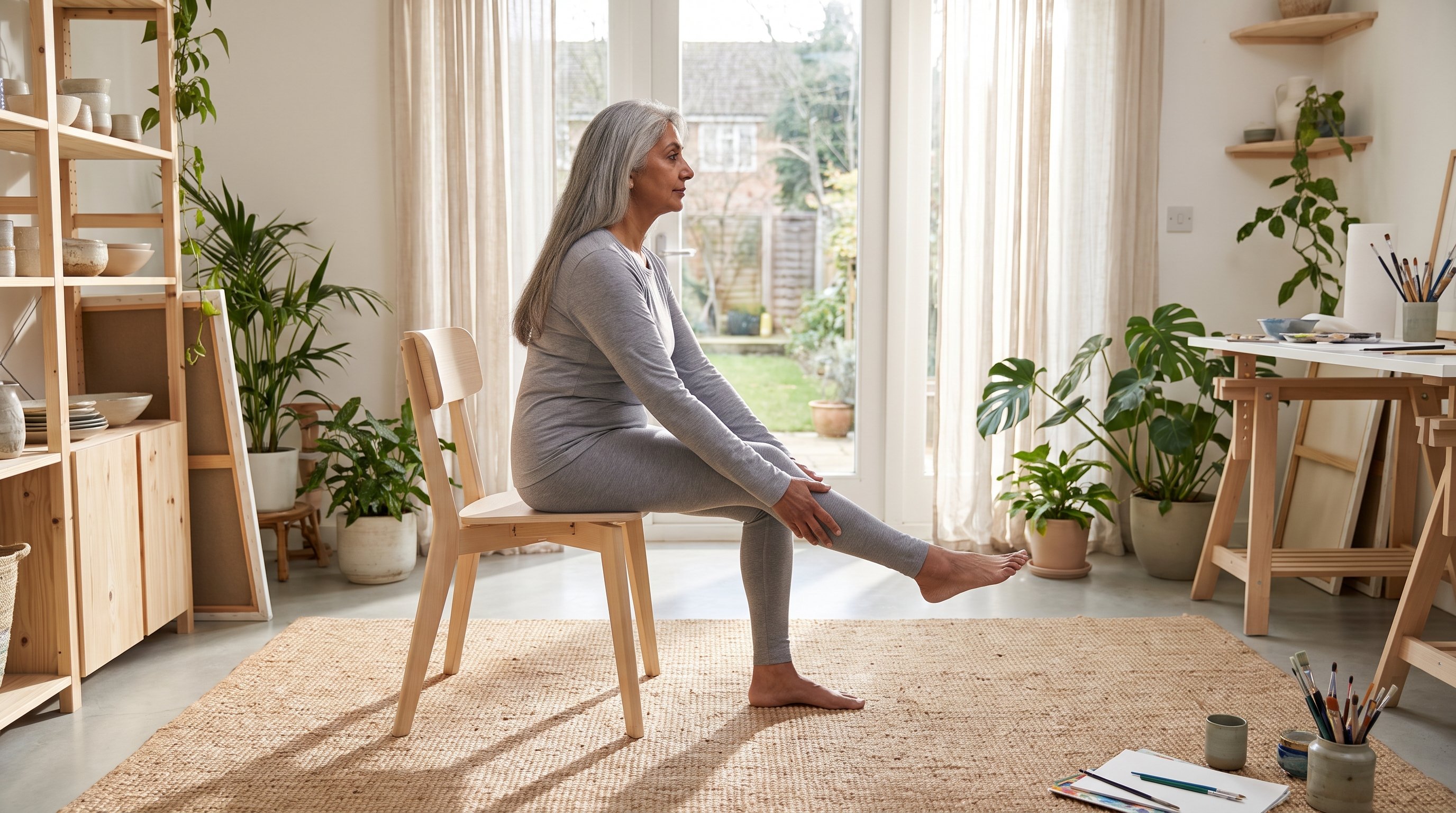
| How Often | Focus | Time |
|---|---|---|
| Daily | Full-body joint circles | 5-10 minutes |
| 3-4 times a week | Light resistance work | 10-15 minutes |
| 2-3 times a week | Walking or easy cardio | 15-20 minutes |
| Weekly | Longer stretch session | 20-30 minutes |
There's no single magic number here, but repetition across the week counts for more than any single long session.
Working Joint Care Into a Day That's Already Full
Joint work doesn't need its own slot in the calendar. It fits around things already happening - waiting for the kettle, standing during a phone call, or sitting at a desk.
Attaching a short joint routine to an existing habit, rather than trying to find new time for it, is usually what makes it stick. Guided exercise routines build this kind of habit-stacking into their design, with short sessions meant to slot into gaps in an ordinary day rather than requiring a separate block of free time.
The point is not to add pressure to an already busy schedule. It's to make joint care feel like part of the day rather than another task competing for attention.
A Four-Week Plan for Building Joint Health Habits
The order of this plan matters more than the exact numbers. Each stage builds on the one before it rather than piling on more work too soon.
| Stage | Focus | Goal |
|---|---|---|
| Week 1 | Learn the basic joint circle sequence | Consistency over intensity |
| Week 2 | Add gentle end-range holds | Build range without strain |
| Week 3 | Introduce light resistance work | Strengthen supporting muscles |
| Week 4 | Combine movement with short walks | Link joint work to daily activity |
By the end of the four weeks, the aim is a routine that feels automatic rather than something that needs to be remembered each morning.
What Tends to Shift and When Motivation Dips
Early on, the main change people notice is less morning stiffness and an easier time getting moving after sitting still. That tends to show up before any visible change in range of motion.
It's worth being honest about timing rather than promising a date. Some people notice a difference within a handful of weeks, others need longer, and the pace depends on how consistent the routine is and what the starting point looked like.
The weeks where motivation drops are usually the ones where early progress feels slow and nothing dramatic has happened yet. This is exactly the stage where sticking with a short, repeatable routine matters most, even if each session feels unremarkable on its own.
Mistakes That Quietly Undermine Joint Health Efforts
Doing Too Much Too Soon
Jumping into long, intense sessions after years of inactivity often leads to soreness that discourages the next session. Starting smaller and building up gradually keeps the routine sustainable.
Only Working One Joint
Focusing entirely on one sore joint while ignoring the rest of the body misses how connected the whole system is. A knee that hurts is sometimes helped by better hip or ankle movement nearby.
Skipping Days After Progress Slows
It's tempting to stop once the early improvement plateaus, but joints need ongoing movement to stay supple, not a one-off fix. Treating the routine as a long-term habit rather than a short course works better.
Ignoring the Muscles Around the Joint
Flexibility work alone, without any strengthening, leaves a joint less supported than it could be. Adding light resistance work alongside stretching helps the muscles around a joint do their share of the work.
Supporting Joint Health With Guided Routines
Staying consistent is the real challenge with joint health, more than knowing which movements to do. Most of the mistakes above come down to inconsistency, not a lack of information.
Flexi Yoga offers a tailored exercise plan built around short, guided sessions, so joint-friendly movement fits into a normal day instead of needing a separate workout slot. Daily habit trackers help keep an eye on progress over weeks rather than single sessions, and the article library adds context on movement and mobility without needing to search elsewhere.
Move Freely Again
Loosen Up Every Day
Making Joint-Friendly Movement a Permanent Habit
Joint health isn't a short project with a finish line. It's an ongoing habit that keeps paying off as long as it continues, and it tends to slip quietly if it's treated as optional once things feel better.
The simplest next step is picking one short routine and doing it today, then again tomorrow. Guided routines can help keep that movement going by fitting it around whatever the rest of the day already looks like.
FAQ
Regular, gentle movement through a joint's full range, combined with some light strengthening around it, does more than any single stretch or product. Consistency across weeks matters more than the intensity of any one session.
Complete rest often makes joints feel stiffer over time, since joints rely on movement to stay supple. Gentle, controlled movement is usually more useful than avoiding a joint altogether, though it should stay comfortable rather than forced.
A few minutes of joint circles attached to an existing habit, like waiting for coffee to brew, counts. Short guided sessions are built around exactly this kind of gap in the day rather than needing a dedicated hour.
Early progress is often small and hard to notice, which makes the routine feel pointless before it's actually had time to work. Sticking with short, repeatable sessions through this flat stage is usually what carries people through to noticeable change.
Share this post