Hip Flexibility Exercises: A Simple Way to Move Easier
By:Author:Flexi Yoga Editorial
Updated on:October 28, 2026
- The Myth That One Stretch Will Open Tight Hips Fast
- How Hip Flexibility Exercises Change the Joint
- Three Things That Change How Far Hip Mobility Improves
- A Sample Week of Hip Flexibility Exercises
- Fitting Hip Flexibility Exercises Around a Busy Week
- What to Expect Over the Weeks and Where People Stop
- Common Mistakes That Slow Down Hip Mobility Gains
- Building Hip Flexibility Exercises Into a Flexi Yoga Routine
- Keeping Hip Mobility Work Part of Daily Life
Hip flexibility exercises work by gently loading the muscles and connective tissue around the hip joint so they tolerate a wider range of motion over time. The direct answer: consistent, gentle movement through the hips beats occasional deep stretching, because the tissue adapts to what it repeats, not what it does once.
Tight hips usually come from long stretches of sitting, limited daily movement variety, or simply not asking the joint to move through its full range very often. Regular mobility work reintroduces that range gradually, which is what allows easier walking, bending and getting up off the floor.
This guide covers the myth around quick fixes, the mechanism behind hip mobility, what actually changes the result, a sample week, how to fit it around a real schedule, a realistic timeline, common mistakes, and where a structured plan can help.
The Myth That One Stretch Will Open Tight Hips Fast
A lot of people hope one deep lunge stretch or a single viral hip-opener routine will fix years of stiffness in a session. That is not how joints or connective tissue work, and no exercise can target fat or tissue in one specific body area either.
Hip tissue adapts slowly, through repeated, mild stress over time, not through one intense push. The honest answer is that mobility work needs repetition across weeks, not a single breakthrough session, and anyone promising overnight results is skipping over how tissue actually changes.
The real path forward is short, regular sessions that gradually widen the range the hips are asked to move through, building on what the joint can already do rather than forcing it.
How Hip Flexibility Exercises Change the Joint
Hips are a ball-and-socket joint surrounded by muscle groups that can shorten or stiffen when they are not used through their full range.
Muscle Length and Tissue Adaptation
Repeated gentle stretching encourages the muscles around the hip, like the hip flexors and glutes, to lengthen gradually and tolerate more range without feeling strained. This happens through small, repeated exposures, which is why consistency matters more than how hard any single stretch feels.
Joint Range and Movement Patterns
The hip joint itself relies on surrounding tissue staying pliable enough to let the femur move freely in the socket. Moving the hip through rotation, flexion and extension on a regular basis keeps that range available, rather than letting it narrow from disuse.
Three Things That Change How Far Hip Mobility Improves
Not every approach to mobility work delivers the same result. These three factors matter most, in order of impact.
What Actually Moves the Needle
- How often you move the hips - a few short sessions a week beats one long session, because tissue adapts to repeated, mild exposure.
- How wide a range you work through - gentle movement across flexion, extension and rotation keeps more of the joint's range available than stretching the same single direction.
- How much sitting surrounds the sessions - long stretches of sitting between sessions can undo some of the gains, so breaking up sitting time supports the work.
A Sample Week of Hip Flexibility Exercises
Here is one way to lay out a week that builds hip range without demanding long sessions.

A Realistic Weekly Layout
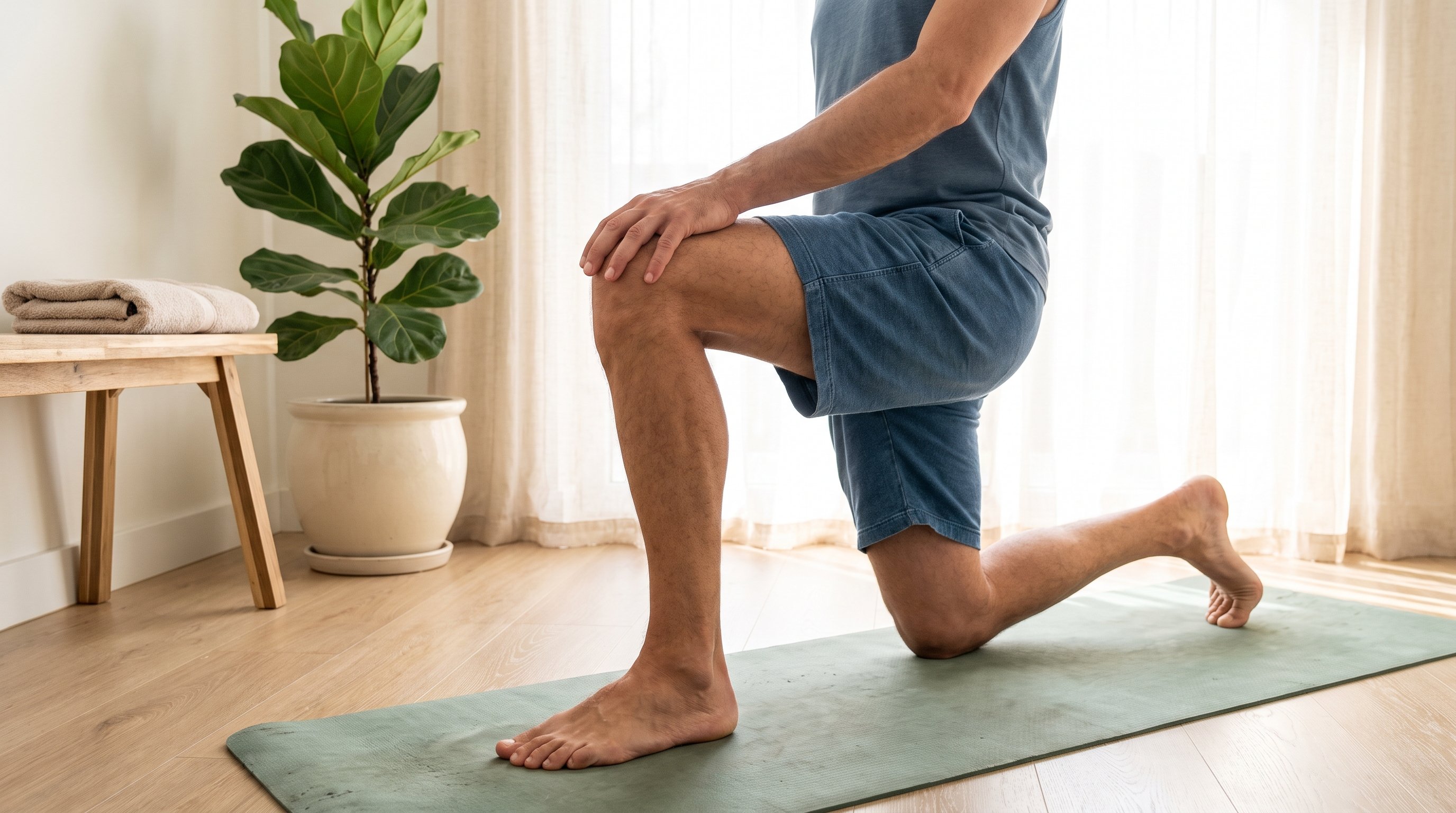
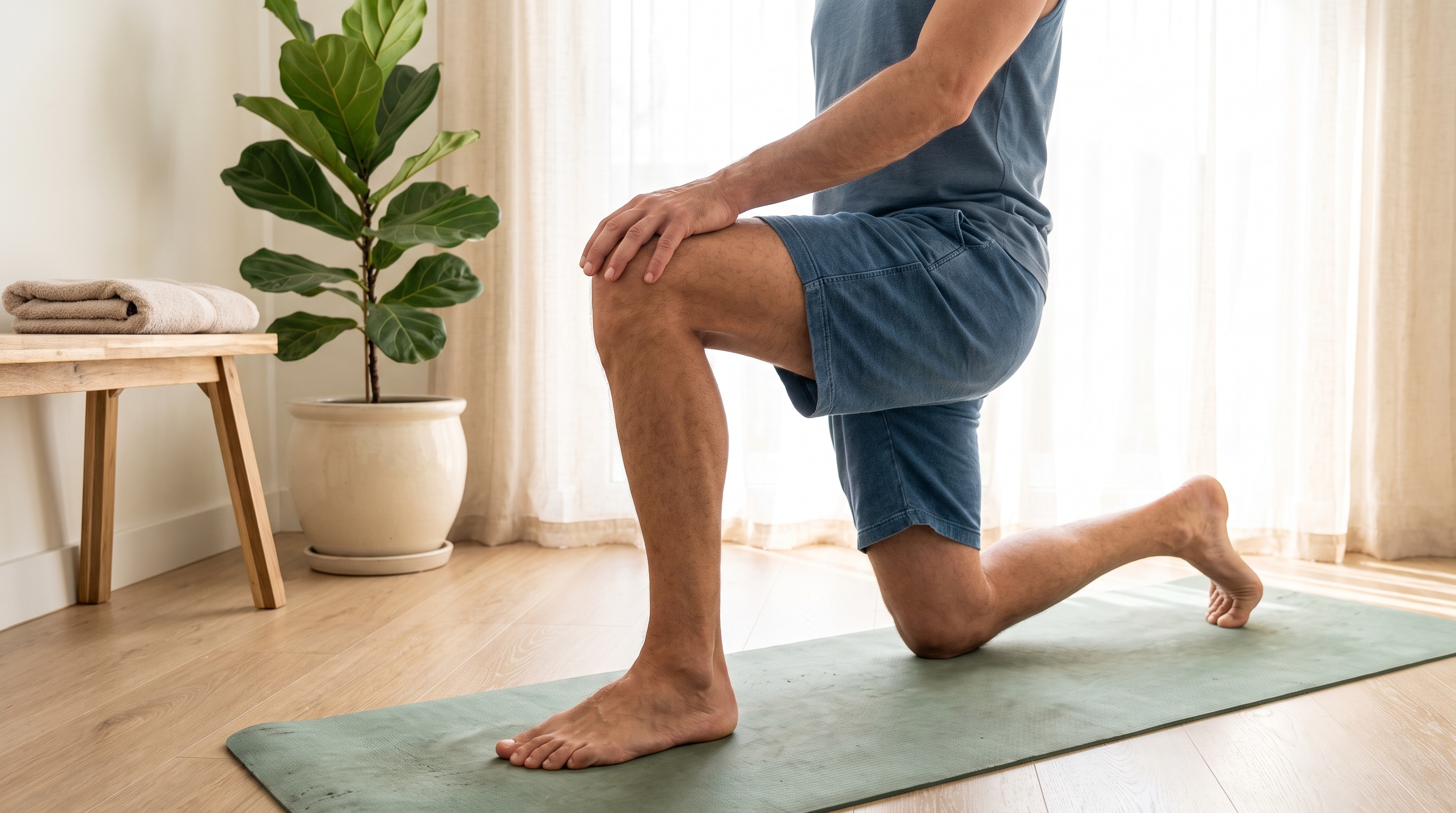
- Monday - short session focused on kneeling hip flexor stretches and gentle hip circles.
- Tuesday - rest or a short walk to keep the joint moving without formal stretching.
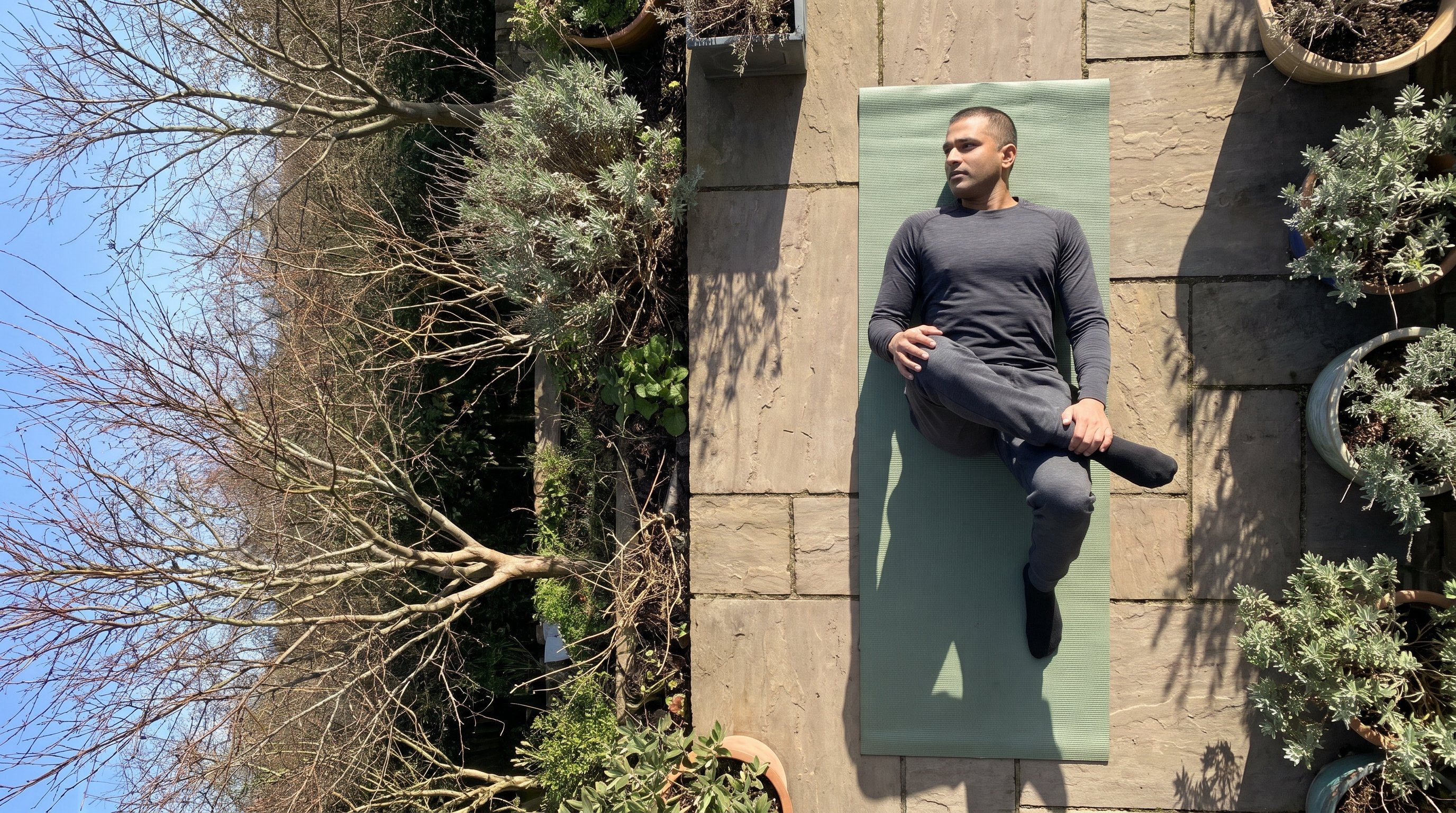
- Wednesday - seated butterfly stretch and figure-four stretch, held gently for a minute or so each side.
- Thursday - rest or light movement, such as stairs or a slow walk.
- Friday - a full short routine combining flexion, extension and rotation movements for the hips.
- Weekend - one longer, relaxed session, plus standing up and moving every so often if sitting for long periods.
Fitting Hip Flexibility Exercises Around a Busy Week
Most people do not skip mobility work because they dislike it, they skip it because the day runs out before the session does.
Short sessions solve that problem better than long ones, since a few minutes is easier to protect in a packed schedule than half an hour.
This is where Flexi Yoga fits in, with guided sessions built to be short and easy to slot between meetings, school runs or evening downtime, rather than demanding a block of free time most weeks do not have.
What to Expect Over the Weeks and Where People Stop
Hip mobility work tends to feel more like a gradual easing than a dramatic shift, and that is normal rather than a sign something is wrong.
Early sessions often feel stiff and unremarkable, which is usually the point where people decide it is not working and quit before the tissue has had a chance to adapt.
Staying consistent past that early stretch, even with short sessions, tends to matter more than how hard any single week is pushed.
Common Mistakes That Slow Down Hip Mobility Gains
Stretching Through Pain
Pushing a stretch until it hurts tends to make muscles tighten up protectively rather than relax. Easing into a gentle stretch and holding it without force gives the tissue a better chance to adapt.
Only Stretching One Direction
Focusing only on forward folds or only on one type of hip flexor stretch leaves other parts of the joint's range untouched. Rotating through flexion, extension and rotation movements covers more of what the hip actually needs to do.
Doing One Long Session a Week
A single long stretching session asks the tissue to adapt all at once, which is less effective than spreading the same effort across several shorter sessions. Frequent, brief exposure tends to build range more reliably than infrequent, long ones.
Ignoring the Hours Around the Session
Hours of sitting before or after a session can undo some of the loosening gained from the exercises. Standing, walking or just shifting position every so often supports whatever work was done on the mat.
Building Hip Flexibility Exercises Into a Flexi Yoga Routine
Sticking with mobility work is less about finding the perfect stretch and more about showing up often enough for the tissue to respond.
Flexi Yoga offers a tailored plan built around short, guided sessions designed to improve mobility and ease joint stiffness, without needing a gym membership or long blocks of time.
It also includes daily habit trackers, lifestyle challenges and a library of wellness content, so building the habit does not rely on memory or motivation alone.
Move Freely Again
Loosen Up Every Day
Keeping Hip Mobility Work Part of Daily Life
The simplest next step is picking one or two stretches and doing them a few times this week, rather than waiting for a perfect routine to appear.
Small, repeated sessions add up in a way that one ambitious stretching day never will, and that is the whole mechanism behind why this works.
For anyone who wants the sessions planned out and tracked, Flexi Yoga offers a structured starting point without turning it into another chore.
FAQ
A few short sessions spread across the week tends to work better than one long session, since the tissue adapts to repeated, mild exposure. Even five to ten minutes, done consistently, can be more useful than an occasional hour-long stretch.
No, stretching cannot target fat in one area of the body, and no exercise can either. Mobility work improves how the joint moves, not how fat is distributed.
Starting with very gentle, small-range movement is enough, since the goal early on is just to reintroduce motion, not to force a deep stretch. Flexi Yoga includes guided routines designed to ease into mobility work gradually, which can help if a full stretch feels out of reach right now.
Progress often slows once the easiest range has already been regained, which can feel discouraging even though the joint is still adapting underneath. Sticking with the same short, regular sessions through that stage is usually what carries it forward.
Share this post