How To Start Stretching Routine: A Clear First Step
By:Author:Flexi Yoga Editorial
Updated on:October 28, 2026
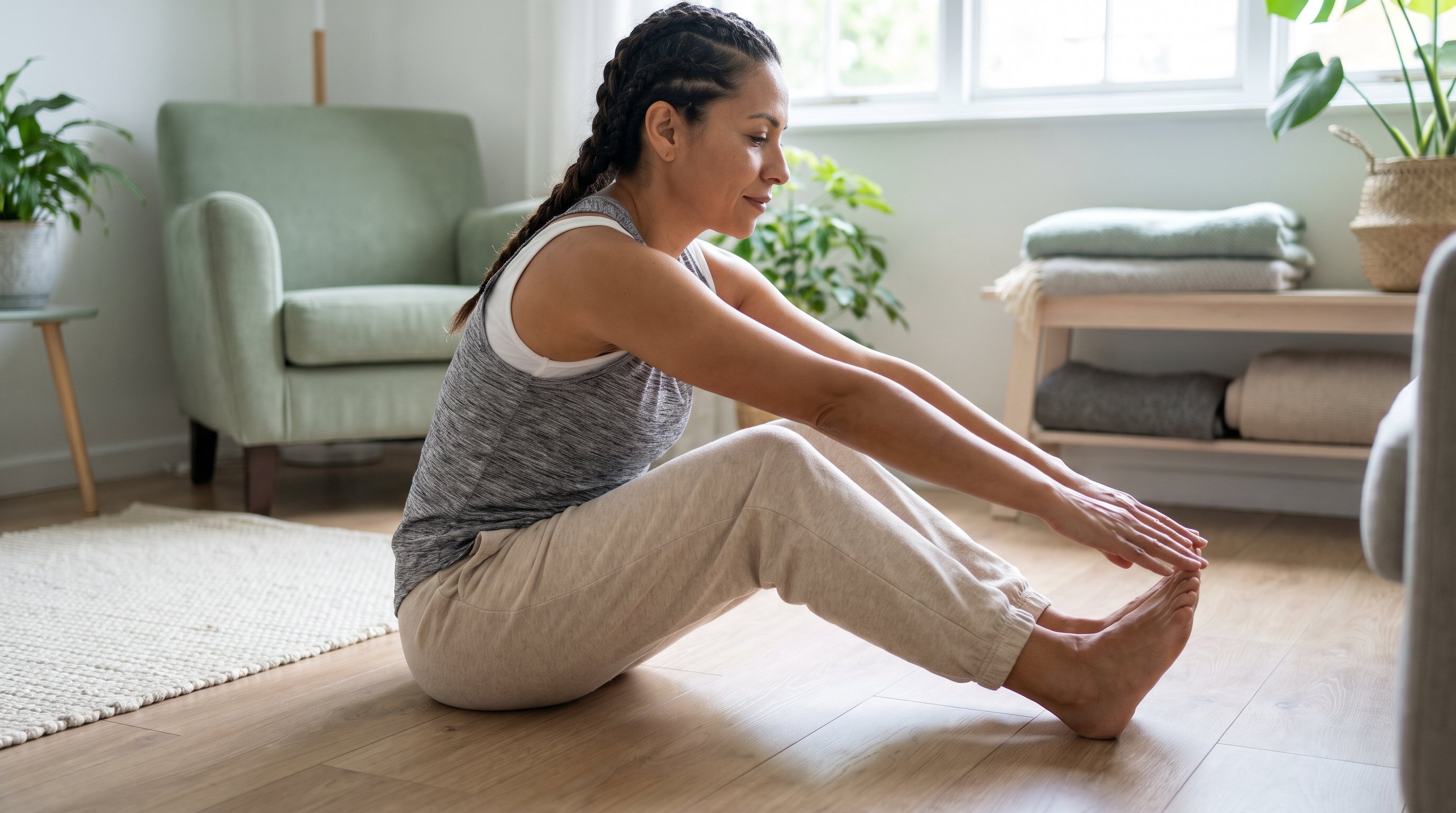
- What a First Week of Stretching Can Look Like
- How Often a New Stretching Habit Needs to Run
- Why Five Short Sessions Beat One Weekend Marathon
- Fitting a Stretching Routine Around a Full Calendar
- Who Needs to Adjust This Starting Plan
- What Changes Over the Weeks and Where People Stop
- Starting Flexi Yoga Alongside a New Stretching Plan
- Turning the First Week Into a Lasting Routine
Starting a stretching routine comes down to picking a handful of moves, doing them a few times a week, and showing up again even when nothing feels different yet.
Muscles and connective tissue adapt to repeated, gentle load over time, not to one heroic session. That is the whole mechanism behind why stretching works at all - small, frequent signals rather than a single big push.
This article covers what a first week looks like, how often to stretch, why short sessions beat occasional long ones, how to fit it around a real schedule, and where most people tend to stop before the habit sticks.
What a First Week of Stretching Can Look Like
Nobody needs a complicated plan to begin. A simple week gives the body something to adapt to without asking for much time or equipment.
A Simple Seven-Day Starter Layout
- Monday - five minutes on legs and lower back after getting up
- Tuesday - five minutes on shoulders and neck during a work break
- Wednesday - rest, or a slow walk instead of structured stretching
- Thursday - repeat the Monday moves, holding each position a little longer
- Friday - five minutes on hips and ankles before or after sitting all day
- Saturday - a slightly longer ten-minute session covering the whole body
- Sunday - rest, or gentle movement like stretching while watching television
That is five short sessions and two rest days, which is enough structure to build a habit without it feeling like a chore.
How Often a New Stretching Habit Needs to Run
Frequency Matters More Than Duration at First
A new stretching habit responds better to short sessions done often than to one long session done rarely. The tissue gets repeated, mild prompts to adapt instead of one jolt it has to recover from.
| Stage | Frequency | Session Length |
|---|---|---|
| Complete beginner | 3 to 4 times weekly | 5 to 8 minutes |
| Building the habit | 4 to 5 times weekly | 8 to 10 minutes |
| Established routine | Most days | 10 to 15 minutes |
| Very busy weeks | 2 to 3 times weekly | 5 minutes |
There is no perfect number here. The table is a starting point, not a rule, and any row beats skipping the week entirely.
Why Five Short Sessions Beat One Weekend Marathon
Picture two options: five minutes a day, five days a week, versus one 25-minute session every Sunday. The total time is almost identical, but the outcomes are not.
Daily short sessions keep the habit visible in the calendar and give the body frequent, low-effort prompts to adapt. A once-a-week marathon session is easier to skip, easier to forget, and asks the body to recover from a bigger single dose of stretch with six days of nothing in between.

Adherence is the real variable that decides results here, not intensity. A short routine someone actually finishes most days will outperform an ambitious one that gets skipped after the second week.
Fitting a Stretching Routine Around a Full Calendar
The easiest way to keep a stretching routine alive is to attach it to something that already happens every day - brushing teeth, making coffee, or sitting down at a desk.
That removes the need to find new time; the stretching just rides along with an existing habit.
A guided plan with short, structured sessions makes this easier to stick to, since there is no guesswork about what to do or how long to hold anything. Flexi Yoga offers exactly that kind of tailored, guided routine, built from hundreds of short sessions designed to fit around an already busy day rather than demanding a block of free time.
Who Needs to Adjust This Starting Plan
Complete Beginners With No Routine at All
Start smaller than feels necessary - two or three gentle stretches, held briefly, three times a week. The goal in week one is showing up, not depth.
People With Packed, Unpredictable Schedules
Shrink the session instead of skipping it. A two-minute version of the routine done consistently beats a ten-minute version that only happens when the week goes perfectly.
Older Adults Easing Back Into Movement
Favour gentle, supported positions and avoid bouncing into a stretch. Holding a comfortable position a little longer is usually more useful than reaching further.
Anyone Returning After a Long Break
Treat it like starting again rather than picking up where an old routine left off. Range of motion that was once easy may need a few weeks of gentle, repeated work before it feels familiar again.
What Changes Over the Weeks and Where People Stop
The first couple of weeks often feel underwhelming - sessions can seem too short to matter, and nothing feels dramatically looser yet.
This is usually the point where people quit, right before small changes start becoming noticeable in daily movement - reaching, bending, sitting back down without the usual stiffness.
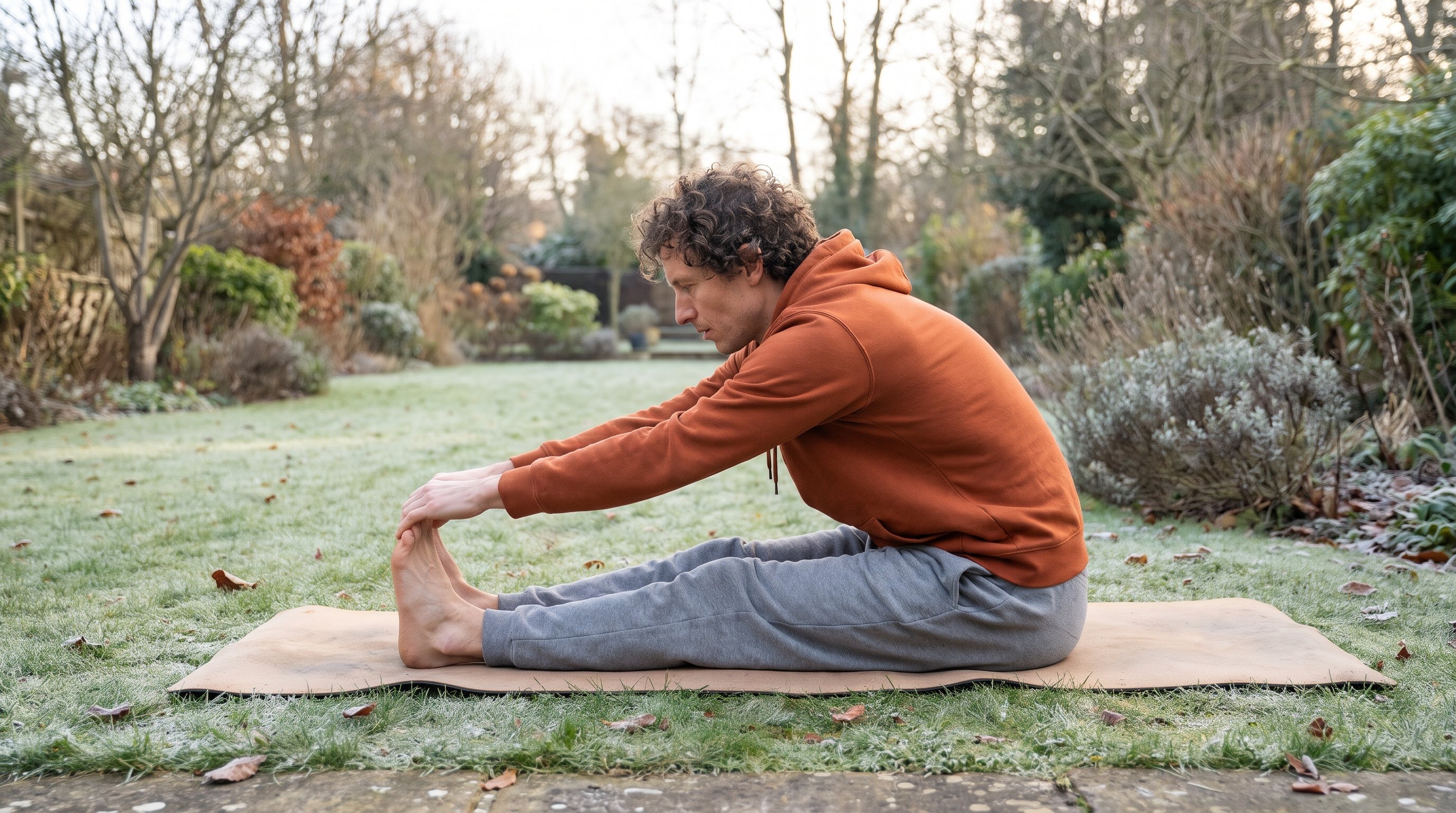
Staying vague about exact timing is honest, because everybody's starting point and consistency differ. What matters more than a date is not stopping during the flat-feeling early weeks.
Starting Flexi Yoga Alongside a New Stretching Plan
Deciding to stretch is the easy part; remembering what to do and sticking with it on a Tuesday evening is the harder part.
Flexi Yoga removes most of that friction with a tailored flexibility plan, hundreds of short guided sessions, and daily trackers that make the habit visible instead of something to vaguely intend. There are no exhausting workouts and no gym membership required - just short routines built around improving flexibility and easing joint stiffness, plus challenges and a curated article library to keep the habit feeling fresh rather than repetitive.
Move Freely Again
Loosen Up Every Day
Turning the First Week Into a Lasting Routine
The real work of starting a stretching routine is not the stretches themselves - it is choosing a small enough version of the plan that it survives a busy week.
Pick one time of day, pick three or four stretches, and repeat them for the next two weeks before changing anything. If a guided structure sounds easier than building one from scratch, Flexi Yoga gives a tailored plan, short video and audio sessions, and simple tracking to help the habit outlast the first flat-feeling fortnight.
FAQ
There is no fixed date, since it depends on starting point and how often the routine actually happens. Staying consistent through the early, uneventful weeks matters more than watching the calendar.
A single weekly session is easier to skip and gives the body one big prompt followed by days of nothing. Shorter, more frequent sessions tend to be easier to stick with, which is usually the deciding factor.
A two-minute version attached to an existing habit, like brushing teeth, still counts and is easier to keep up than an ambitious plan that gets abandoned. Flexi Yoga's short guided sessions are built for exactly this kind of squeezed schedule.
Early sessions can feel like they are not doing much, and that flat feeling is often where people quit before anything noticeable changes. Expecting that dip in advance makes it easier to push through rather than mistake it for the routine not working.
Share this post